
  • Admissions
  • Exploring Grad School
  • Current Students
  • Community Impact and Engagement
  • Faculty + Staff
  • Alumni
Give
Intranet
Request Info
Home
  • Academics
    • Master of Science
    • Master of Landscape Architecture
    • Doctoral (PhD)
    • Dual-Degree Programs
    • Graduate Certificate Programs
    • Undergraduate Program
    • Courses
    • Online Learning
  • Research + Impact
    • Sustainability Themes
    • PhD Profiles
    • Student Research
    • The Centers, Institutes + Initiatives
    • Faculty Profiles
    • Labs
  • Prospective Students
    • Why Michigan?
    • Application Information
    • International Students
    • Financial Aid + Tuition
    • Visit Campus
    • Faculty Profiles
    • Admitted Students
    • Application Success Webinars
  • Student Services
    • SEAS and PitE Student Center
    • Career Services
    • Financial Aid
    • Academic Advising
    • Student Organizations
    • Student Development
    • Forms, Handbooks + Policies
    • Quick Links
  • News
    • Community Highlights
    • In the Media
    • Stewards Magazine
  • Events
    • Co-Sponsorship Form
    • Submit Event
    • Admissions Webinars
    • Gallery
  • About
    • Who We Are
    • SEAS Values
    • Leadership
    • Community Impact and Engagement
    • Demographics
    • Faculty Profiles
    • Administrative Departments + Staff
    • Facilities + Locations
    • Art & Environment Gallery
    • Land Acknowledgement
    • History
    • Email Sign-Up
Search search icon
  • Admissions
  • Exploring Grad School
  • Current Students
  • Community Impact and Engagement
  • Faculty + Staff
  • Alumni
Give
Request Info
search icon Search
  • Academics
  • Research + Impact
  • Prospective Students
  • Student Services
  • News
  • Events
  • About
  • Academics
  • Research + Impact
  • Prospective Students
  • Student Services
  • News
  • Events
  • About
  1. Home
  2. ›
  3. GSI Project Types and Examples

GSI Project Types and Examples

Disconnected Downspouts (Households)
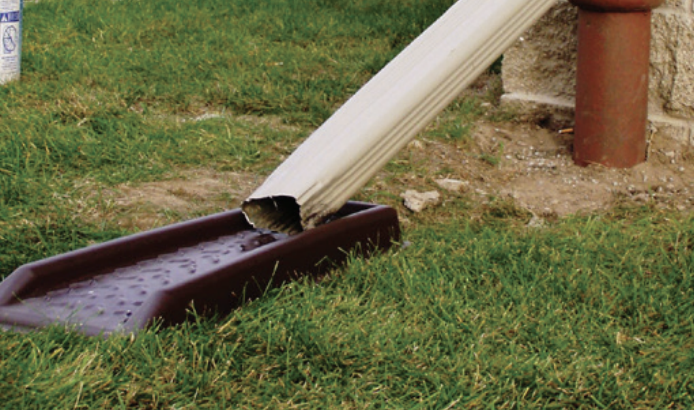
Photo of a disconnected downspout rain gutter
Photo of a disconnected downspout cited in the City of Detroit's Drainage Program Guide.

Traditional downspouts often direct rainwater into Detroit’s sewer system, increasing stormwater runoff during heavy rain events. Disconnecting downspouts allows water to drain into lawns, gardens, or other permeable areas where it can soak into the ground instead.

This is one of the most accessible household-scale GSI strategies. The City of Detroit has a disconnected downspout guide available here.


Rain Gardens (Households)
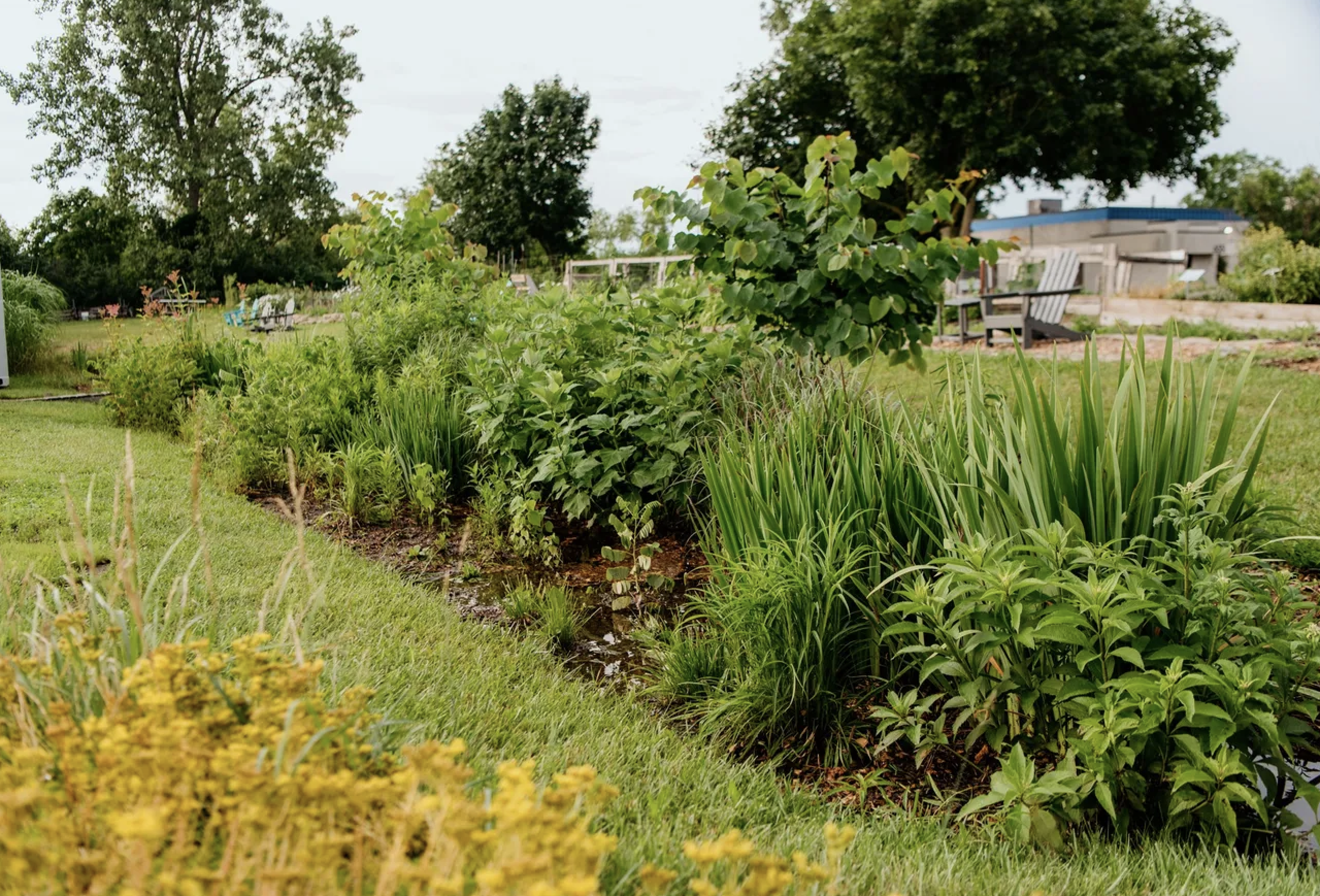
Photo of a rain garden captured by the Huron Watershed Council
Photo example of a rain garden. Photo credit: Huron Watershed Council.

Rain gardens are shallow planted areas designed to collect and absorb stormwater runoff from roofs, driveways, and other hard surfaces.

They help reduce localized flooding, improve infiltration, and create habitat for native plants and pollinators. Rain gardens are especially effective in residential spaces and can often be implemented at the household level. 


Impervious Surface Removal (Households or Neighborhoods)
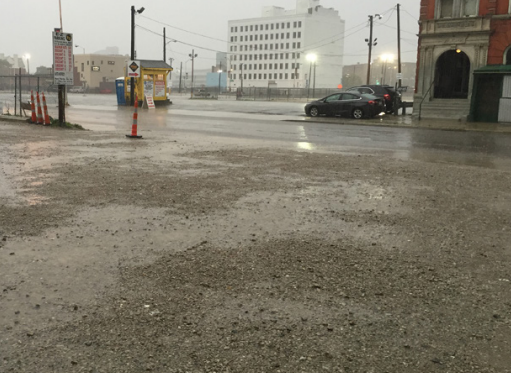
Hard-packed gravel lot
Hard-packed gravel lot, replacing impervious asphalt. Photo credit: City of Detroit Water & Sewerage Department.

Impervious surface removal replaces hard surfaces like concrete or asphalt with natural ground or permeable materials that allow water to soak into the soil. Projects can range from removing small paved areas to larger neighborhood-scale efforts that improve stormwater management and reduce localized flooding.

Things to Consider:

  • Some projects may require city review or permits
  • Utilities should be marked through MISS DIG (811) before excavation
  • Larger projects may require soil erosion permits
  • Some projects may qualify for drainage charge reductions. Read more about drainage charge reductions here


Constructed Wetlands (Organizations)
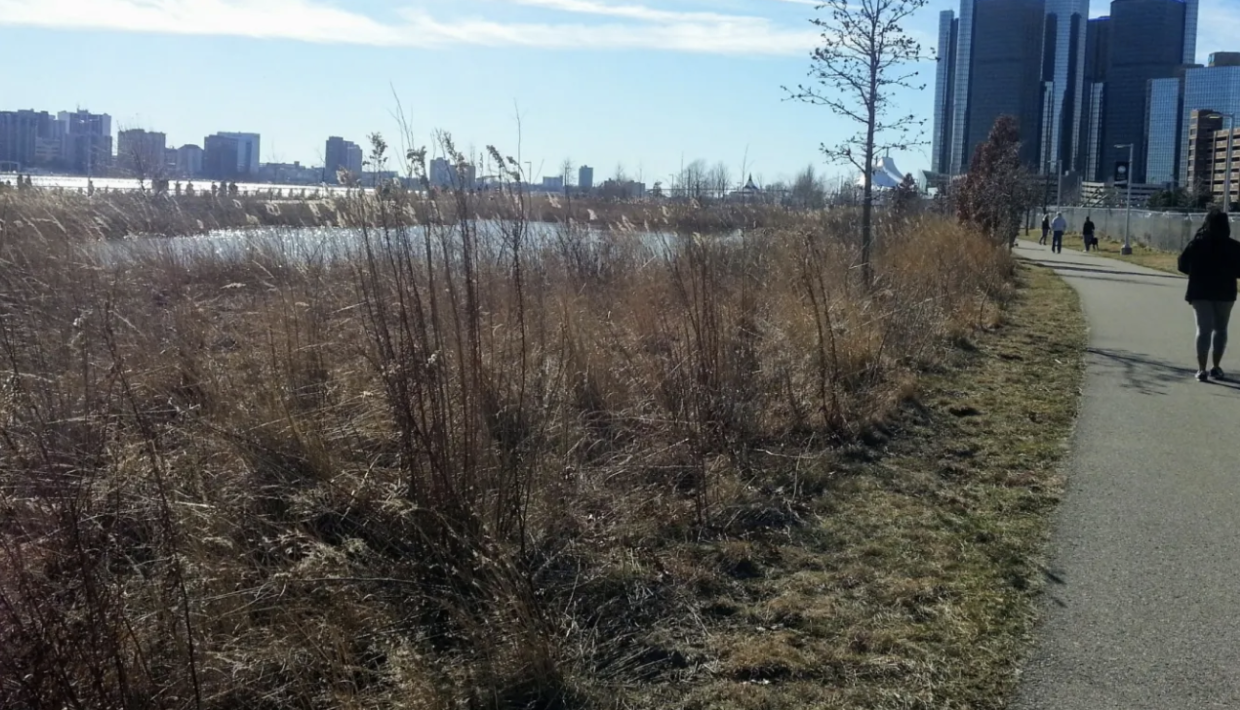
Photo of a constructed wetland at the William Milliken state park
Constructed wetland located at William Milliken State Park.

Constructed wetlands are engineered landscapes designed to capture, slow, and filter stormwater runoff using natural vegetation and soils. These systems improve water quality while creating habitat for birds, pollinators, and other wildlife.

In Detroit, examples of constructed wetlands include the restored wetland at William G. Milliken State Park along the riverfront and the Great Lakes Restoration Initiative project at Recovery Park in Poletown East.


Bioswales (Organizations)
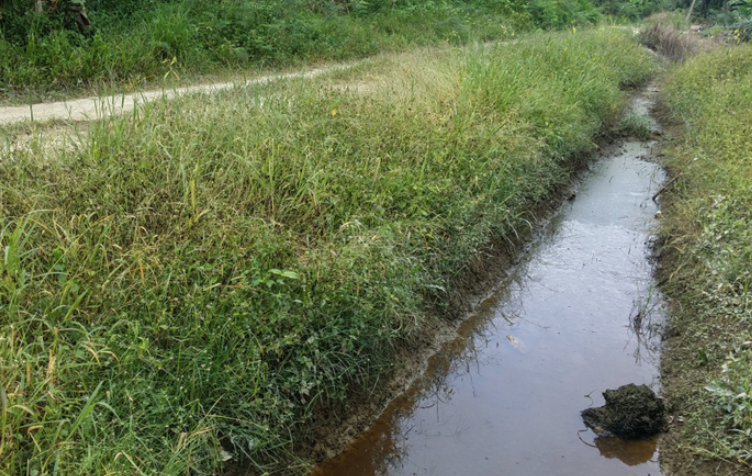
Bioswale at Stein Park.
Bioswale located in Franklin Park. Photo credit: Detroit Stormwater Hub, Greening of Detroit.

Bioswales are planted drainage channels that absorb and filter stormwater before it enters sewer systems. They help reduce runoff, improve water quality, and manage smaller storm events through natural infiltration.

An example can be found at Franklin park, where a bioswale was installed and is maintained by The Greening of Detroit. 


Green Alleys (Organizations)
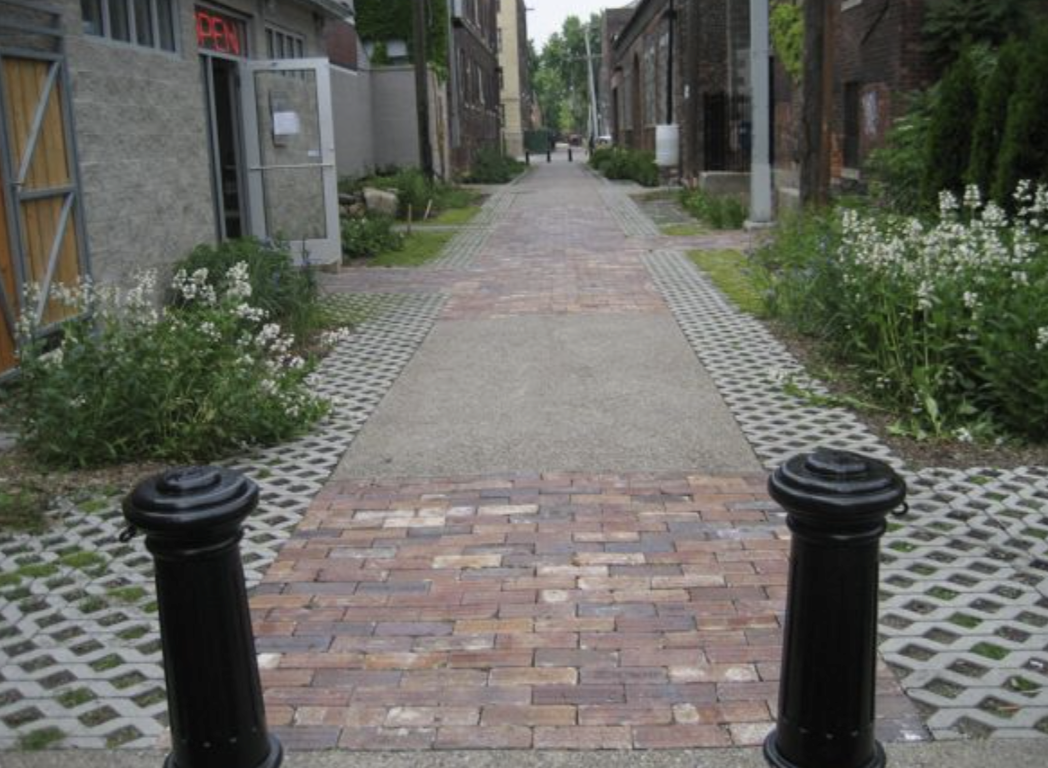
Photo of a green alley in Midtown, Detroit
Green alleyway in Midtown, Detroit. Source: Peggy Brenan.

Green alleys replace traditional pavement with permeable surfaces and vegetation that allow stormwater to soak into the ground. Because they often require city permitting and higher installation costs, green alleys are typically implemented at the organizational level.


Green Roofs (Organizations)
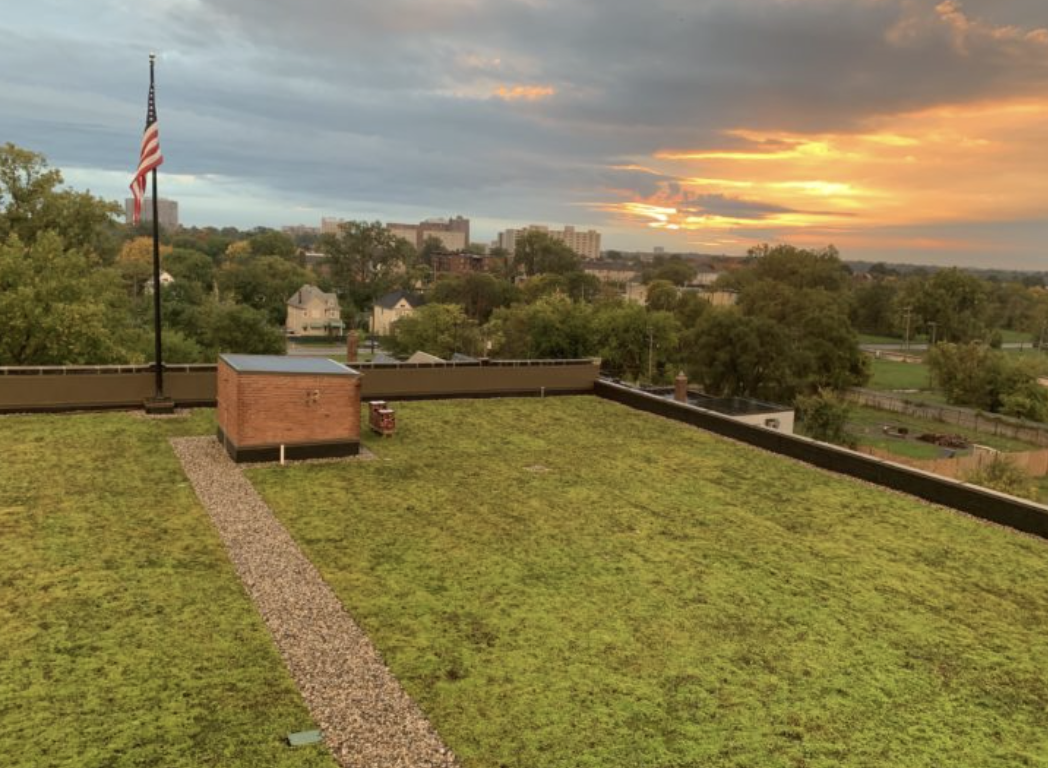
Photo of a green roof at the beltline center
Green roof project by the Inhabitect at the Belt Line Center.

Green roofs are vegetated rooftop systems that absorb and slow rainfall runoff before it enters Detroit’s sewer system. They can help reduce stormwater runoff while improving insulation and urban green space.

Detroit examples include the green roofs at the Coleman A. Young Municipal Center and the Belt Line Center.


seas logo
University of Michigan
School for Environment and Sustainability
Dana Building
440 Church Street
Ann Arbor, MI 48109
(734) 764-6453
Email us
follow us on facebook
follow us on twitter
follow us on instagram
follow us on linkedin
follow us on youtube
follow us on flickr
planet blue global impact logo
  • Contact us
  • Intranet
  • Contact Web Team
  • Email Sign-Up
  • Report Sexual Misconduct

© 2026 The Regents of the University of Michigan | Privacy Policy

Produced by Michigan Creative