

  • Admissions
  • Exploring Grad School
  • Current Students
  • Community Impact and Engagement
  • Faculty + Staff
  • Alumni
Give
Intranet
Request Info
Home
  • Academics
    • Master of Science
    • Master of Landscape Architecture
    • Doctoral (PhD)
    • Dual-Degree Programs
    • Graduate Certificate Programs
    • Undergraduate Program
    • Courses
    • Online Learning
  • Research + Impact
    • Sustainability Themes
    • PhD Profiles
    • Student Research
    • The Centers, Institutes + Initiatives
    • Faculty Profiles
    • Labs
  • Prospective Students
    • Why Michigan?
    • Application Information
    • International Students
    • Financial Aid + Tuition
    • Visit Campus
    • Faculty Profiles
    • Admitted Students
    • Application Success Webinars
  • Student Services
    • SEAS and PitE Student Center
    • Career Services
    • Financial Aid
    • Academic Advising
    • Student Organizations
    • Student Development
    • Forms, Handbooks + Policies
    • Quick Links
  • News
    • Community Highlights
    • In the Media
    • Stewards Magazine
  • Events
    • Co-Sponsorship Form
    • Submit Event
    • Admissions Webinars
    • Gallery
  • About
    • Who We Are
    • SEAS Values
    • Collective Impact Committee
    • Leadership
    • Demographics
    • Faculty Profiles
    • Administrative Departments + Staff
    • Facilities + Locations
    • Community Impact and Engagement
    • Art & Environment Gallery
    • COVID-19
    • Land Acknowledgement
    • History
    • Email Sign-Up
Search search icon
  • Admissions
  • Exploring Grad School
  • Current Students
  • Community Impact and Engagement
  • Faculty + Staff
  • Alumni
Give
Request Info
search icon Search

Alumni Stories

seas neon sign
  • Admissions
  • Exploring Grad School
  • Current Students
  • Community Impact and Engagement
  • Faculty + Staff
  • Alumni
    • Get Involved!
    • Alumni Stories
      • Share Your Story
    • Strategic Alumni Network
    • Contact Us
    • Submit a Class Note
    • Alumni Career Services Resources
    • Stewards Magazine
    • Update Contact Info
  • Admissions
  • Exploring Grad School
  • Current Students
  • Community Impact and Engagement
  • Faculty + Staff
  • Alumni
    • Get Involved!
    • Alumni Stories
      • Share Your Story
    • Strategic Alumni Network
    • Contact Us
    • Submit a Class Note
    • Alumni Career Services Resources
    • Stewards Magazine
    • Update Contact Info
  1. Home
  2. ›
  3. Alumni
  4. ›
  5. Alumni Stories
  6. ›
  7. A Collaborative, Interdisciplinary Approach To Sustainability In Curricula
back to all alumni stories

A Collaborative, Interdisciplinary Approach to Sustainability in Curricula

Image
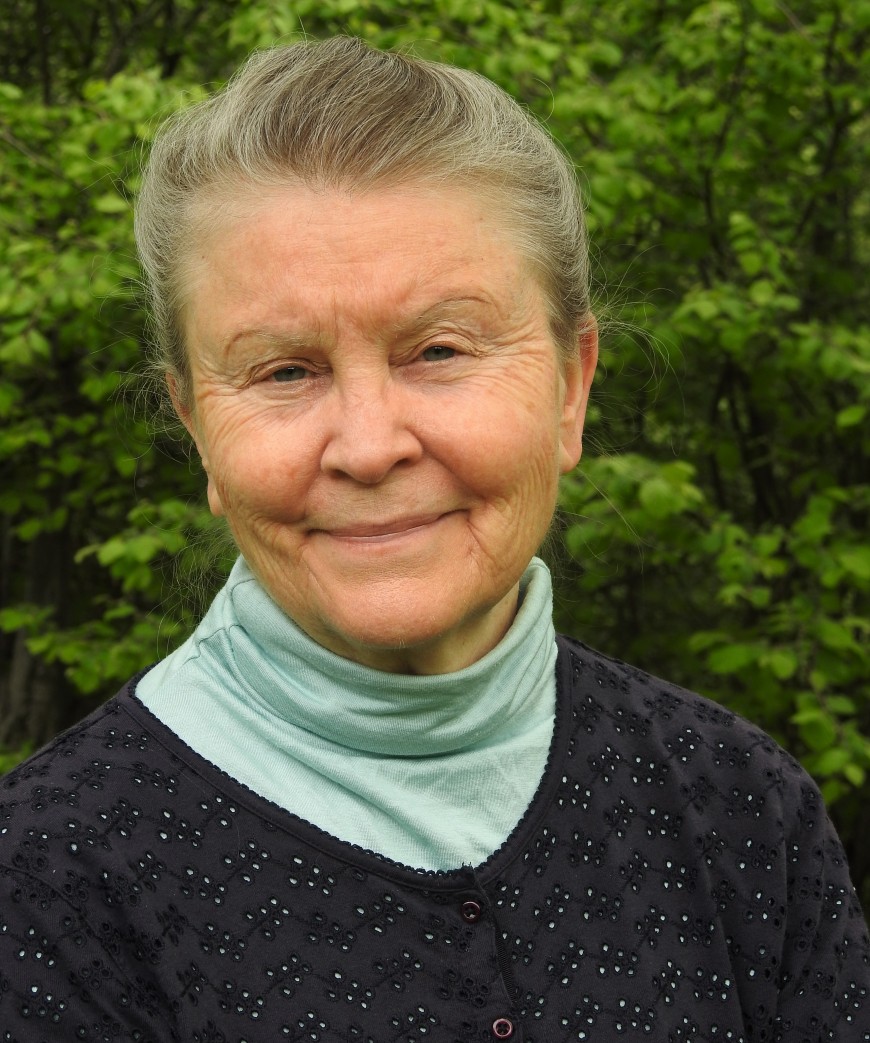
Jean MacGregor, smiling behind a green background


By: Juliette Quenioux | July 2022


Jean MacGregor has championed sustainability-focused education throughout her career. She says she is passionate about the “importance of ongoing communities tackling the huge adaptive challenges that sustainability presents.” Highlights of her career include supporting the establishment of the environmental studies program at Warren Wilson College in North Carolina, instructing at the Evergreen State College in Washington, and leading a variety of national projects on learning communities in higher education. 

Her favorite endeavor, however, was founding and leading Curriculum for the Bioregion from 2004 to 2018. This project is a regional sustainability-across-the-curriculum initiative, originally based in the Puget Sound bioregion and the Columbia Plateau. Seeing a gap between the exclusion of sustainability topics in curricula and its increasing importance as an issue in the 21st century, Jean created this project with the goal of mobilizing higher education to situate sustainability and environmental justice content and concepts in a broad array of disciplines, ranging from philosophy and biology to mathematics. 

“If our courses can be visualized as trees, sustainability content needs to become part of the trunk, holding up and nourishing the whole tree,” Jean explains. With that lens, adapting curriculums to include sustainability and environmental justice topics became a collaborative effort with professors, individualized based on course curricula. 

By linking and building communities of educators, Curriculum for the Bioregion has grown to involve over 50 colleges and universities, close to a thousand faculty and students, and dozens of community experts in agencies, NGOs, and tribes, such as the US EPA. 

Integrating sustainability’s “big ideas”, for Jean, meant grounding this learning in place-based teaching. She fondly remembers her SEAS field experiences as a student herself, at the Bio Station and in community field study classes. These experiences, as well SEAS’ emphasis on problem-solving and interdisciplinary learning, Jean says, has “shaped her entire career in environmental education.”

Reflecting on the impact of sustainability education, Jean highlights the importance of engaged learning surrounding sustainability: “Isn’t that what we all want in our teaching? To have the ideas we teach still be alive for our students, years into the future? Maybe for their whole lives?” 


seas logo
University of Michigan
School for Environment and Sustainability
Dana Building
440 Church Street
Ann Arbor, MI 48109
(734) 764-6453
Email us
follow us on facebook
follow us on twitter
follow us on instagram
follow us on linkedin
follow us on youtube
follow us on flickr
planet blue global impact logo
  • Contact us
  • Intranet
  • Contact Web Team
  • Email Sign-Up
  • Report Sexual Misconduct

© 2026 The Regents of the University of Michigan | Privacy Policy

Produced by Michigan Creative