

  • Admissions
  • Exploring Grad School
  • Current Students
  • Community Impact and Engagement
  • Faculty + Staff
  • Alumni
Give
Intranet
Request Info
Home
  • Academics
    • Master of Science
    • Master of Landscape Architecture
    • Doctoral (PhD)
    • Dual-Degree Programs
    • Graduate Certificate Programs
    • Undergraduate Program
    • Courses
    • Online Learning
  • Research + Impact
    • Sustainability Themes
    • PhD Profiles
    • Student Research
    • The Centers, Institutes + Initiatives
    • Faculty Profiles
    • Labs
  • Prospective Students
    • Why Michigan?
    • Application Information
    • International Students
    • Financial Aid + Tuition
    • Visit Campus
    • Faculty Profiles
    • Admitted Students
    • Application Success Webinars
  • Student Services
    • SEAS and PitE Student Center
    • Career Services
    • Financial Aid
    • Academic Advising
    • Student Organizations
    • Student Development
    • Forms, Handbooks + Policies
    • Quick Links
  • News
    • Community Highlights
    • In the Media
    • Stewards Magazine
    • NextGen Now Blog
  • Events
    • Co-Sponsorship Form
    • Submit Event
    • Admissions Webinars
    • Gallery
  • About
    • Who We Are
    • SEAS Values
    • Collective Impact Committee
    • Leadership
    • Demographics
    • Faculty Profiles
    • Administrative Departments + Staff
    • Facilities + Locations
    • Community Impact and Engagement
    • Art & Environment Gallery
    • COVID-19
    • Land Acknowledgement
    • History
    • Email Sign-Up
Search search icon
  • Admissions
  • Exploring Grad School
  • Current Students
  • Community Impact and Engagement
  • Faculty + Staff
  • Alumni
Give
Request Info
search icon Search

Alumni Stories

seas neon sign
  • Admissions
  • Exploring Grad School
  • Current Students
  • Community Impact and Engagement
  • Faculty + Staff
  • Alumni
    • Get Involved!
    • Alumni Stories
      • Share Your Story
    • Strategic Alumni Network
    • Contact Us
    • Submit a Class Note
    • Alumni Career Services Resources
    • Stewards Magazine
    • Update Contact Info
  • Admissions
  • Exploring Grad School
  • Current Students
  • Community Impact and Engagement
  • Faculty + Staff
  • Alumni
    • Get Involved!
    • Alumni Stories
      • Share Your Story
    • Strategic Alumni Network
    • Contact Us
    • Submit a Class Note
    • Alumni Career Services Resources
    • Stewards Magazine
    • Update Contact Info
back to all alumni stories

Matt Griffis (MS ’10)

Image
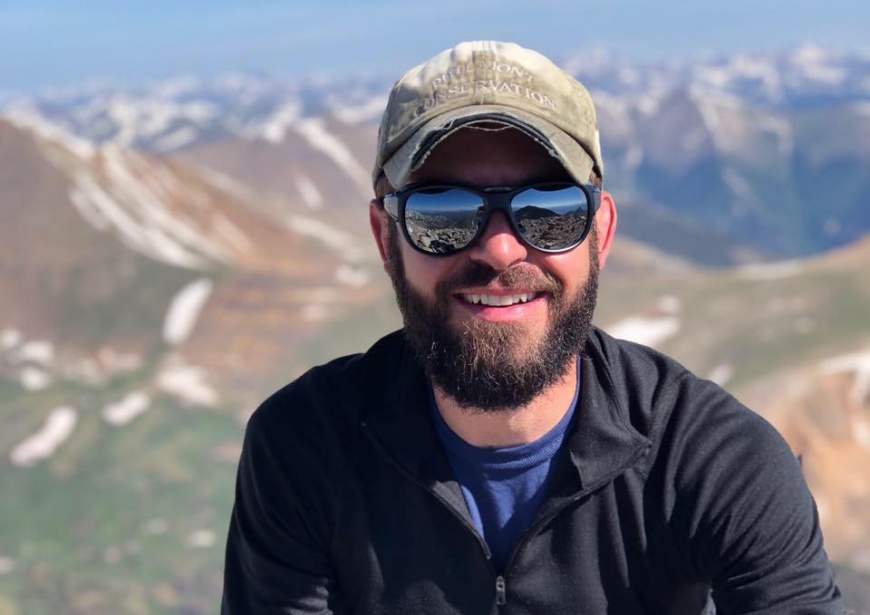
Matt Griffis (MS ’10)

Acquisitions Program Officer, Wyss Foundation

Durango, Colorado

What did it mean to you to be named a Doris Duke Conservation Fellow? What were some of the activities and opportunities that held the greatest impact for you?

It was an honor to be named a Doris Duke Fellow in recognition of my dedication to a career in land conservation. Attending a retreat with other Doris Duke Fellows from across the country shortly after being named a fellow was impactful, because it allowed me to network with other like-minded students and helped me further understand the breadth of the conservation field. The most memorable part of my fellowship, however, was an internship with the National Park Service at Golden Gate National Recreation Area, where I spent the summer working with that park’s natural resources team.

Can you tell us about your SEAS experience? How did it help you advance in the conservation field?

The SEAS experience was exactly what I hoped for and needed at that point in my career. I was a couple years out of undergrad wanting to deepen my education numerous internships and seasonal jobs working in conservation. The SEAS program allowed me to focus on the issues I cared about most—land conservation in the West—while providing a well-rounded education and exposing me to opportunities in the nonprofit world. Networking with other SEAS students also led me to my current position as a program officer at the Wyss Foundation, where I manage the Foundation’s land acquisition and African wildlife conservation programs. I wouldn’t have my career without my time at SEAS.

What kind of changes have you observed in land conservation in the U.S. over the course of your career?

Over the course of my career, there has been a definite shift in opportunities for conservation. With each successful new public land protection (through national monument establishment, wilderness area expansion, and other designations), the political will to do more shrinks, but many worthy landscapes remain. Congress is broken, and it is getting harder to get meaningful conservation efforts traction. However, there are ever expanding opportunities for land acquisition (especially with the full and dedicated funding of the Land and Water Conservation Fund), conservation easements on large timber and ranch properties, restoration, and partnerships among public agencies, tribes, and nonprofits.

Note: Prior to 2017, the School for Environment and Sustainability (SEAS) was known as the School of Natural Resources and Environment (SNRE). References to “SNRE” have been updated to “SEAS” to reflect the name change.


seas logo
University of Michigan
School for Environment and Sustainability
Dana Building
440 Church Street
Ann Arbor, MI 48109
(734) 764-6453
Email us
follow us on facebook
follow us on twitter
follow us on instagram
follow us on linkedin
follow us on youtube
follow us on flickr
planet blue global impact logo
  • Contact us
  • Intranet
  • Contact Web Team
  • Email Sign-Up
  • Report Sexual Misconduct

© 2026 The Regents of the University of Michigan | Privacy Policy

Produced by Michigan Creative