The SEAS Hydrogen Ecosystem Planning capstone team visits the Mass Transit Authority in Flint, Michigan, to learn about using green hydrogen as an energy source. From left: Aditya Swarnkar, Nathaniel Hodgson and Anagha Menon.
Student Research in Action
From master’s projects to internships, here are a few examples of how University of Michigan School for Environment and Sustainability (SEAS) students made an impact over the summer.
Green Hydrogen
The Hydrogen Ecosystem Planning capstone team (pictured above) visited the Mass Transportation Authority in Flint, Michigan, to learn about the costs and operations associated with using green hydrogen as an energy source. Their project aims to support the state of Michigan’s greenhouse gas emission reduction goals by examining how hydrogen can help decarbonize transportation in Southeast Michigan, particularly with heavy-duty return-to-base industrial trucks. Their research will span the full hydrogen ecosystem, from the production and storage of green hydrogen to the distribution and implementation of the energy source through fuel cell electric vehicles, which offer a cleaner alternative to trucks that have significant emissions.
Clothing Circularity
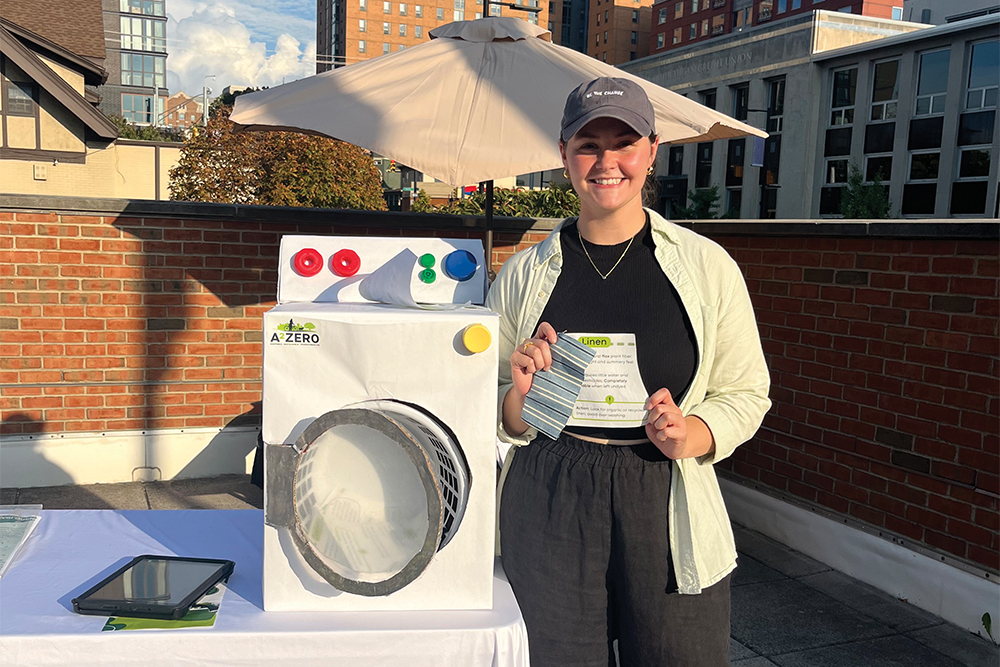
Third-year SEAS and Urban and Regional Planning student Bridget Damon completed a fellowship program with the reDirect Foundation. She acted as a consultant for the City of Ann Arbor’s Office of Sustainability and Innovations to educate community members about the circularity of clothing, textile pollution and how to reduce individual textile waste. She helped organize several clothing swaps and developed educational tools that were showcased during the events. Last summer, the city’s clothing swaps diverted over 500 pounds of clothing from landfills and waterways.
Beaver-Human Conflicts
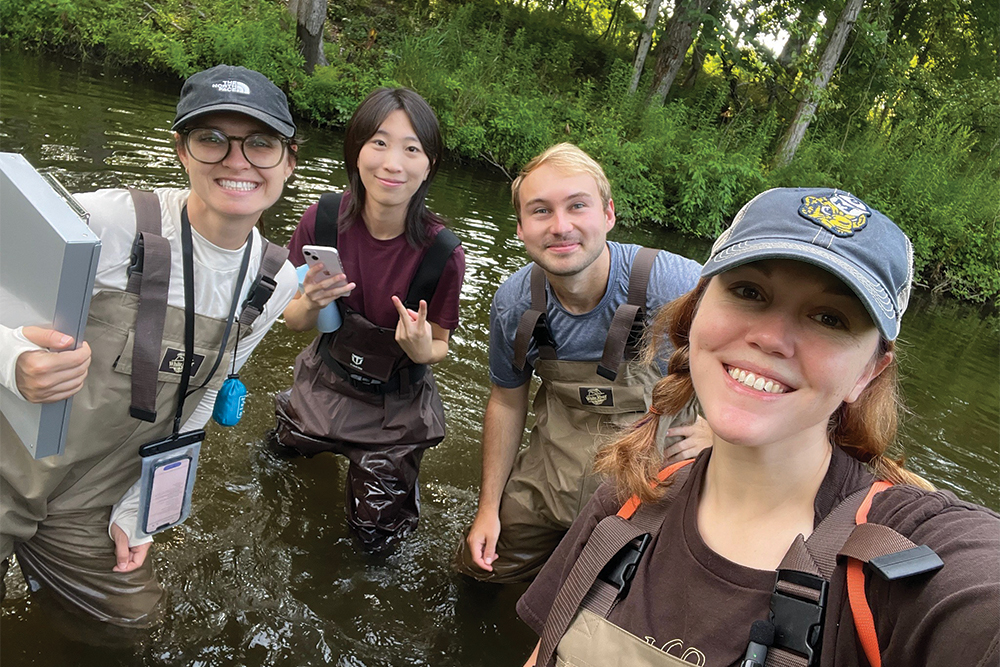
Humans and other species benefit from the many ecosystem services beavers and their wetlands provide, including increases in biodiversity, water quality, carbon sequestration, and fire and drought resistance. Historically extirpated from Lower Michigan, beavers are now returning and bringing their many ecological benefits with them. Despite these benefits, the combination of beaver dams and modern human infrastructure can cause conflict. A SEAS capstone team seeks to address these conflicts by providing science-based coexistence strategies. Working in Ann Arbor and Washtenaw County, the team used the Beaver Restoration Assessment Tool to predict where beavers are likely to colonize, performed a policy analysis to assess current beaver regulations, and engaged with local stewards, land managers and municipalities to understand current challenges and provide coexistence strategies.



