


Impact of mammal community intactness on human health in low- to middle-income countries
Mammals support ecosystem services that are essential for human survival, such as improving human nutrition (e.g., via bushmeat in low-income areas), enhancing plant production (e.g., via seed dispersal), and controlling diseases that affect humans and their livestock. The rapid decline of mammals can therefore have a cascading effect, weakening the resilience of ecosystems and reducing their capacity to deliver vital services for humans.
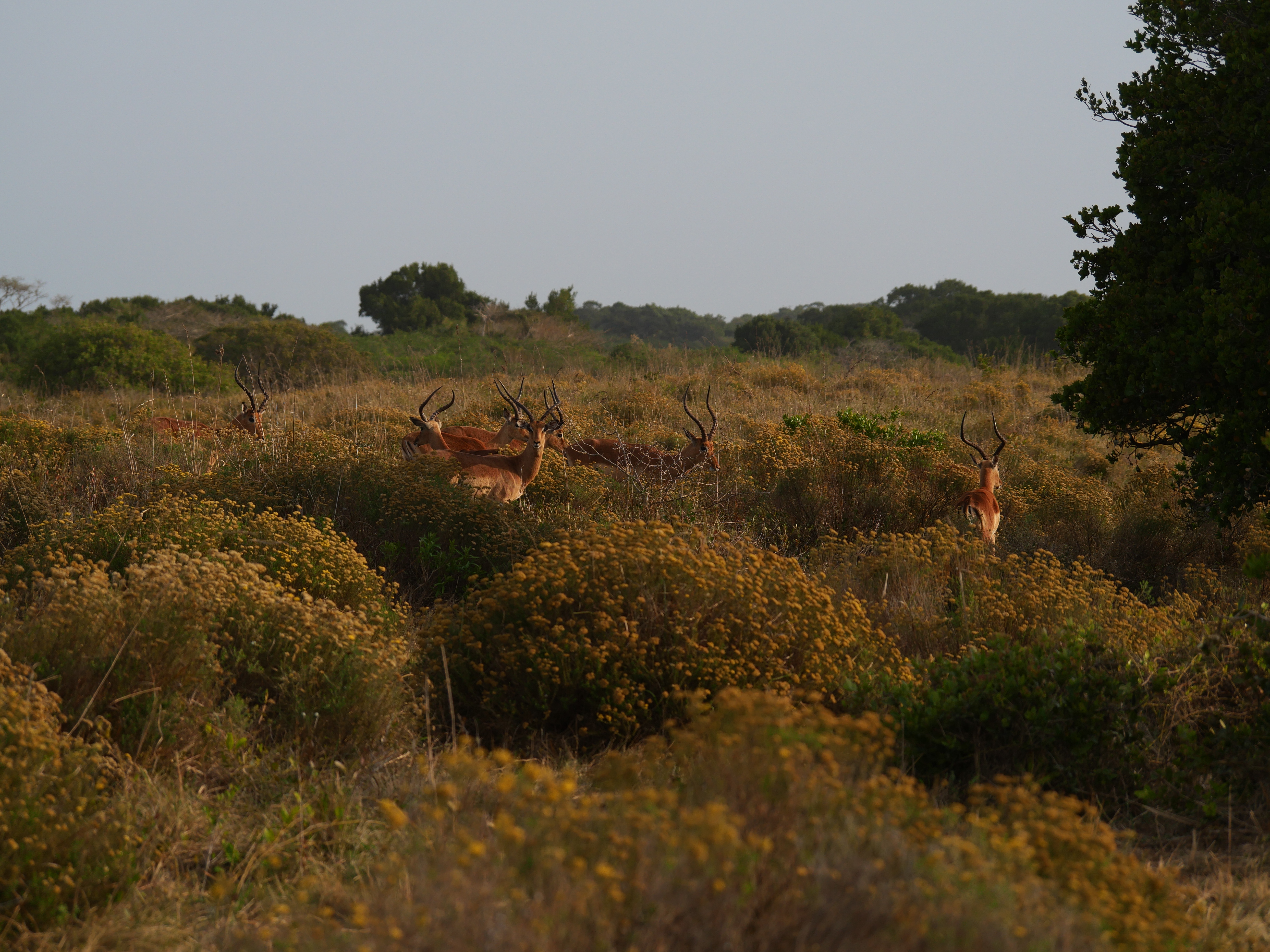
Several studies have shown that access to mammalian bushmeat in low-income countries could reduce stunting and anemia of children, as those meats are the only source of iron and other proteins necessary for growth. However, little is known about the role of contextual factors, such as social and environmental context and whether this relationship is consistent across regions and continents. To shed more light on the complex interaction between mammals and human health, this project will use large scale survey data from low- to middle-income countries spanning different ecoregion and biodiversity loss contexts to investigate how the intactness of mammal communities and the decline of mammal abundance impact human health in low- to middle-income countries. Understanding those effects can yield insight on future health outcomes from global changes to human-nature systems.
Researchers involved:


Neil Carter
Associate Professor, PI of Conservation & Coexistence Group