• Exploring Grad School
  • Current Students
  • Faculty + Staff
  • Alumni
Give
Intranet
Request Info
Home
  • Academics
    • Master of Science
    • Master of Landscape Architecture
    • Doctoral (PhD)
    • Dual-Degree Programs
    • Graduate Certificate Programs
    • Undergraduate Program
    • Courses
    • Online Learning
  • Admissions
    • Why SEAS?
    • Master’s Admissions
    • Doctoral Admissions
    • Online Certificate Admissions
    • Tuition and Funding
    • International Students
    • Connect with Us
    • Fall Webinar Series
    • Admitted Students
  • Research + Impact
    • Sustainability Themes
    • PhD Profiles
    • Student Research
    • The Centers, Institutes + Initiatives
    • Faculty Profiles
    • Labs
  • Student Services
    • SEAS and PitE Student Center
    • Career Services
    • Financial Aid
    • Academic Advising
    • Student Organizations
    • Student Development
    • Forms, Handbooks + Policies
    • Quick Links
  • News
    • Community Highlights
    • In the Media
    • Stewards Magazine
  • Events
    • Co-Sponsorship Form
    • Submit Event
    • Admissions Webinars
    • Gallery
  • About
    • Who We Are
    • SEAS Values
    • Leadership
    • Office of Community Impact and Engagement
    • Demographics
    • Faculty Profiles
    • Administrative Departments + Staff
    • Facilities + Locations
    • Art & Environment Gallery
    • Land Acknowledgement
    • History
    • Newsletter Sign-Up
Search search icon
  • Exploring Grad School
  • Current Students
  • Faculty + Staff
  • Alumni
Give
Request Info
search icon Search

News

Conservation Ecology
  • Academics
  • Admissions
  • Research + Impact
  • Student Services
  • News
    • Community Highlights
    • In the Media
    • Stewards Magazine
  • Events
  • About
  • Academics
  • Admissions
  • Research + Impact
  • Student Services
  • News
    • Community Highlights
    • In the Media
    • Stewards Magazine
  • Events
  • About
  1. Home
  2. ›
  3. News
  4. ›
  5. Black Forager Shares Stories of Wild Food and Caring For The Planet At U-M
back to all news

Black Forager shares stories of wild food and caring for the planet at U-M

Image
Black Forager shares stories of wild food and caring for the planet at U-M
Caption
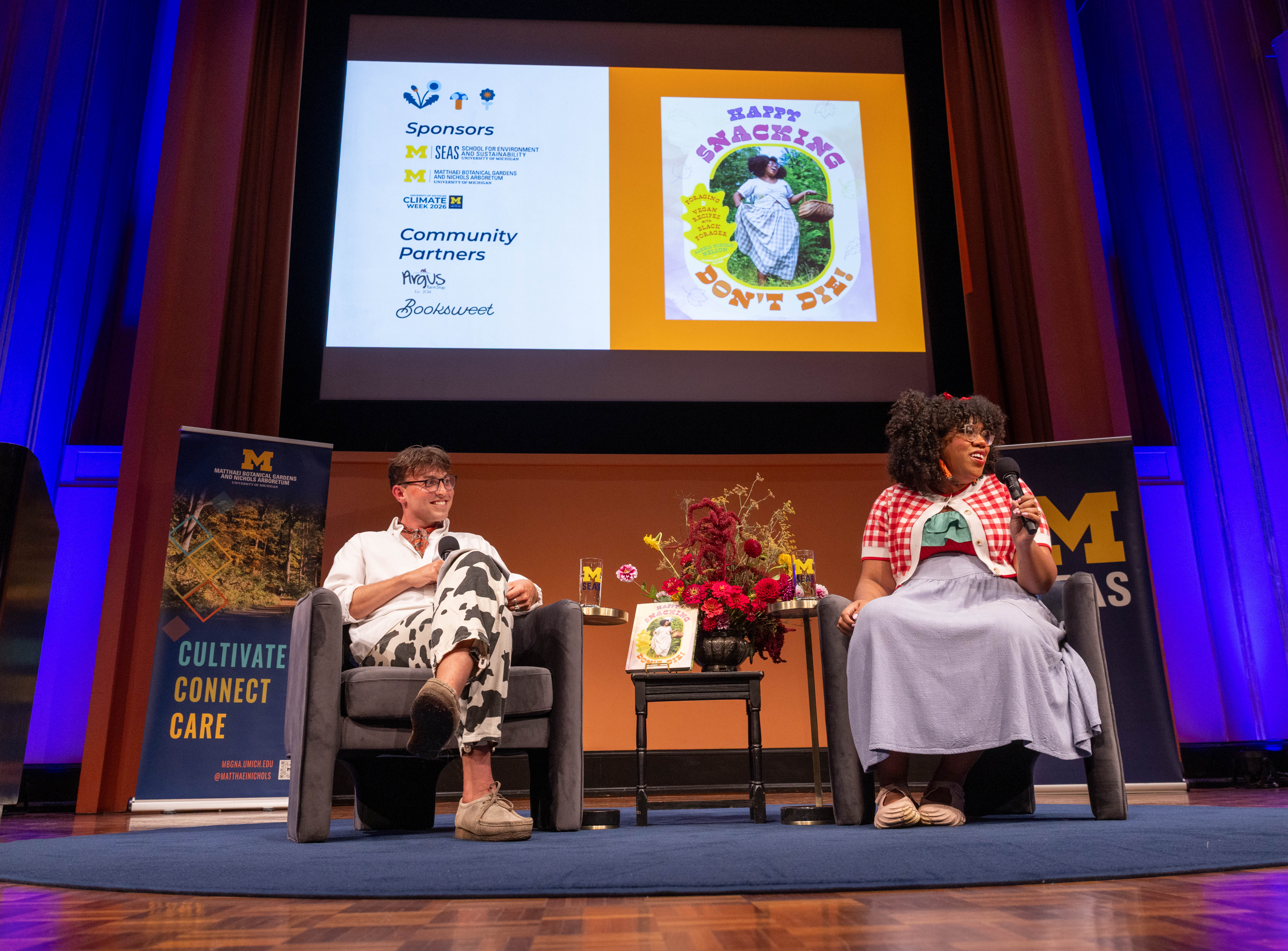
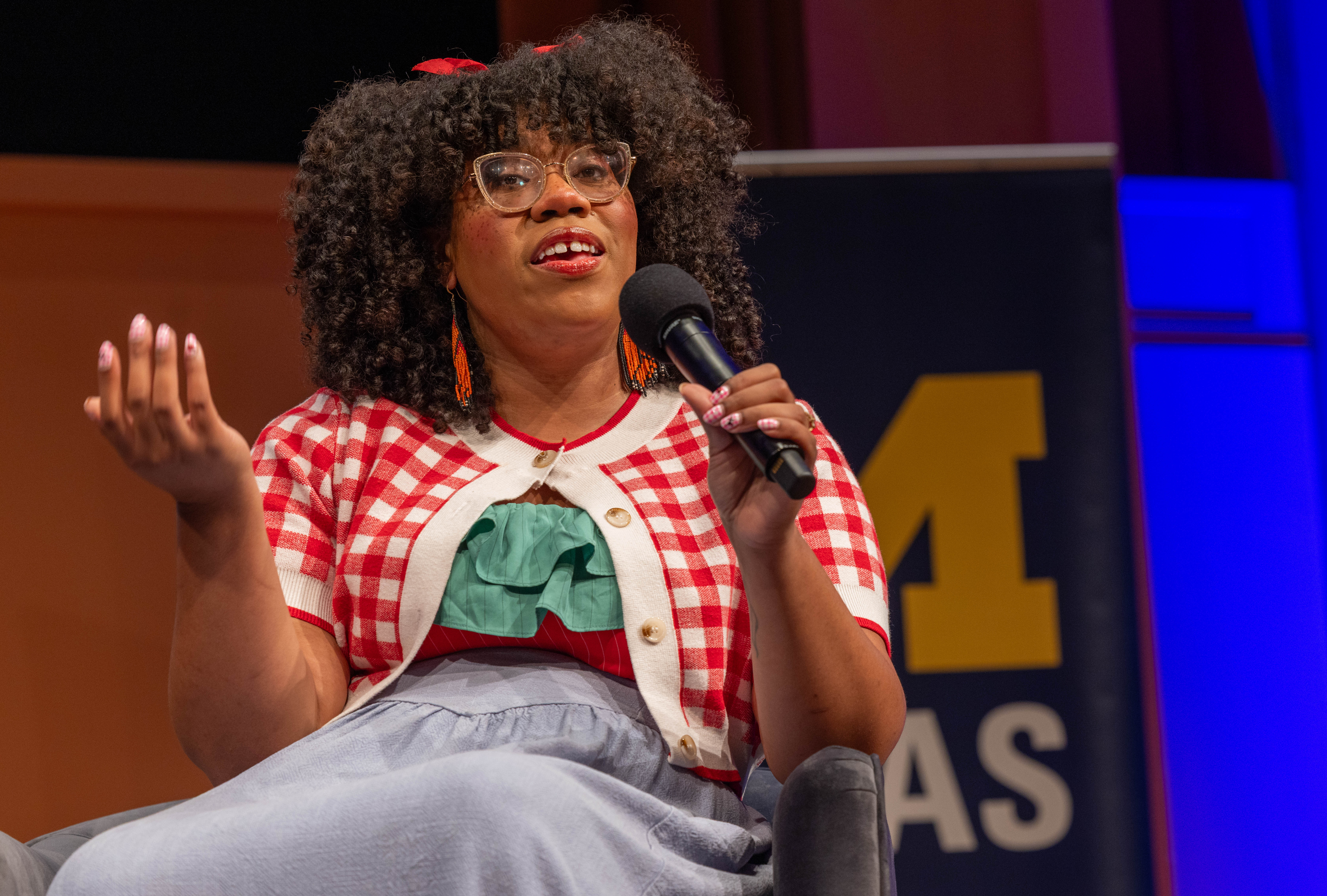
Black Forager Alexis N. Nelson was a featured speaker during U-M's Climate Week.
By Katie Seguin | Matthaei Botanical Gardens and Nichols Arboretum | 
October 8, 2026

On Sept. 30, the University of Michigan welcomed Alexis Nikole Nelson, widely known by her social media handle “Black Forager.” An award-winning forager, outdoor educator, James Beard Award winner and New York Times bestselling author, Nelson has been delighting the internet with her joyful videos about foraging and cooking wild food (often with a song or dance to go along with them) since 2020. A fan-favorite song and dance format, “Is it poison or is it a snack?”, invites viewers into the process of identifying wild foods that are safe to eat, and the look-alikes that can mean trouble. In a happy coincidence, Nelson’s book, “Happy Snacking, Don’t Die,” hit The New York Times bestsellers list the same day as her U-M talk. The event was co-hosted by U-M’s School for Environment and Sustainability (SEAS) and Matthaei Botanical Gardens & Nichols Arboretum (MBGNA) as part of U-M’s second annual Climate Week.

Read the full story on the Matthaei Botanical Gardens & Nichols Arboretum website, and view photos and captions below.
Black Forager shares stories of wild food and caring for the planet at U-M
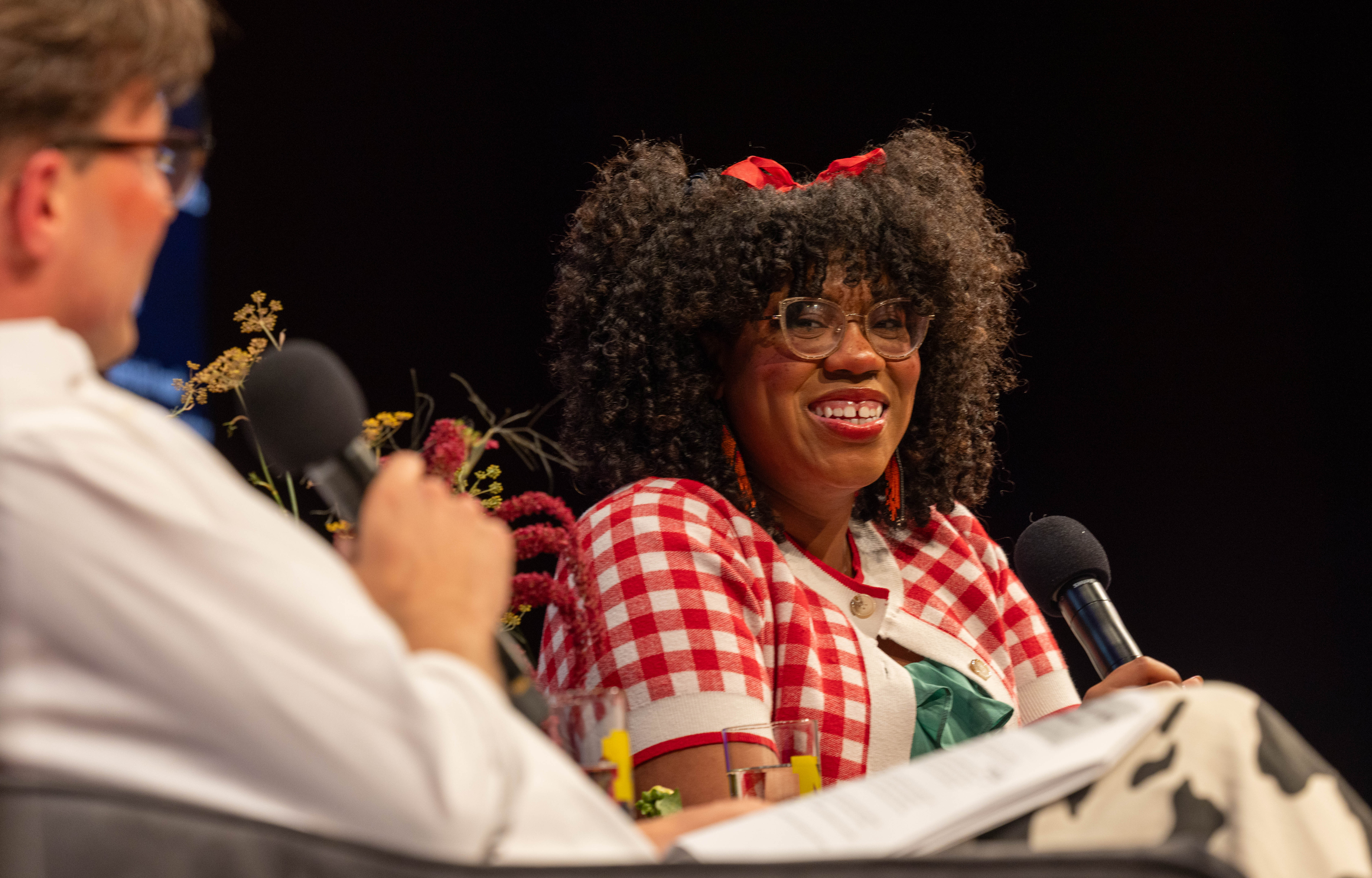
SEAS PhD candidate, chef and agroecologist Will Brinkerhoff moderated the discussion with Nelson at Rackham Auditorium.


Black Forager shares stories of wild food and caring for the planet at U-M
Nelson first started foraging as a kid with her mom, treasuring the quiet time they shared looking for nutritious, edible weeds in their yard. She would bring what they found to her dad, an excellent cook, who would incorporate the plants into dinner.


Black Forager shares stories of wild food and caring for the planet at U-M
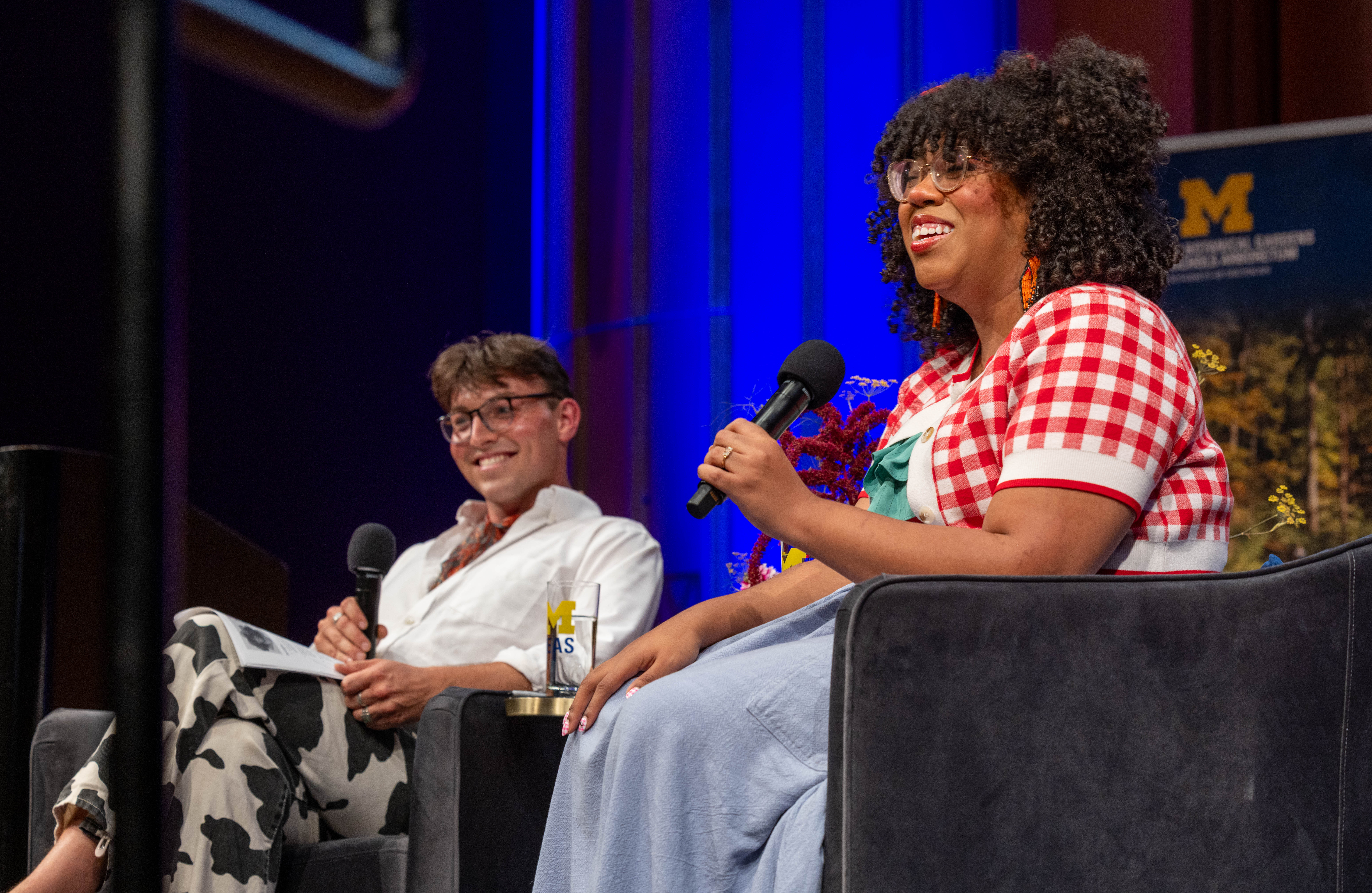
Nature provided more than a tasty snack. It was also her refuge. “When I was stressed, I sought refuge in nature. At dinner parties, I would sneak out of the door in my fancy dress and climb the catalpa tree.” Foraging still provides her with this respite as an adult, and she notes that it’s one way to bring people together to advocate for protecting the planet.


Black Forager shares stories of wild food and caring for the planet at U-M
An Ohio native, Nelson began filming on social media in 2020, with no expectations that her videos would lead anywhere. Combining her unique environmental science and theater education background with enthusiasm and humor, her videos quickly began to gain traction.


Black Forager shares stories of wild food and caring for the planet at U-M
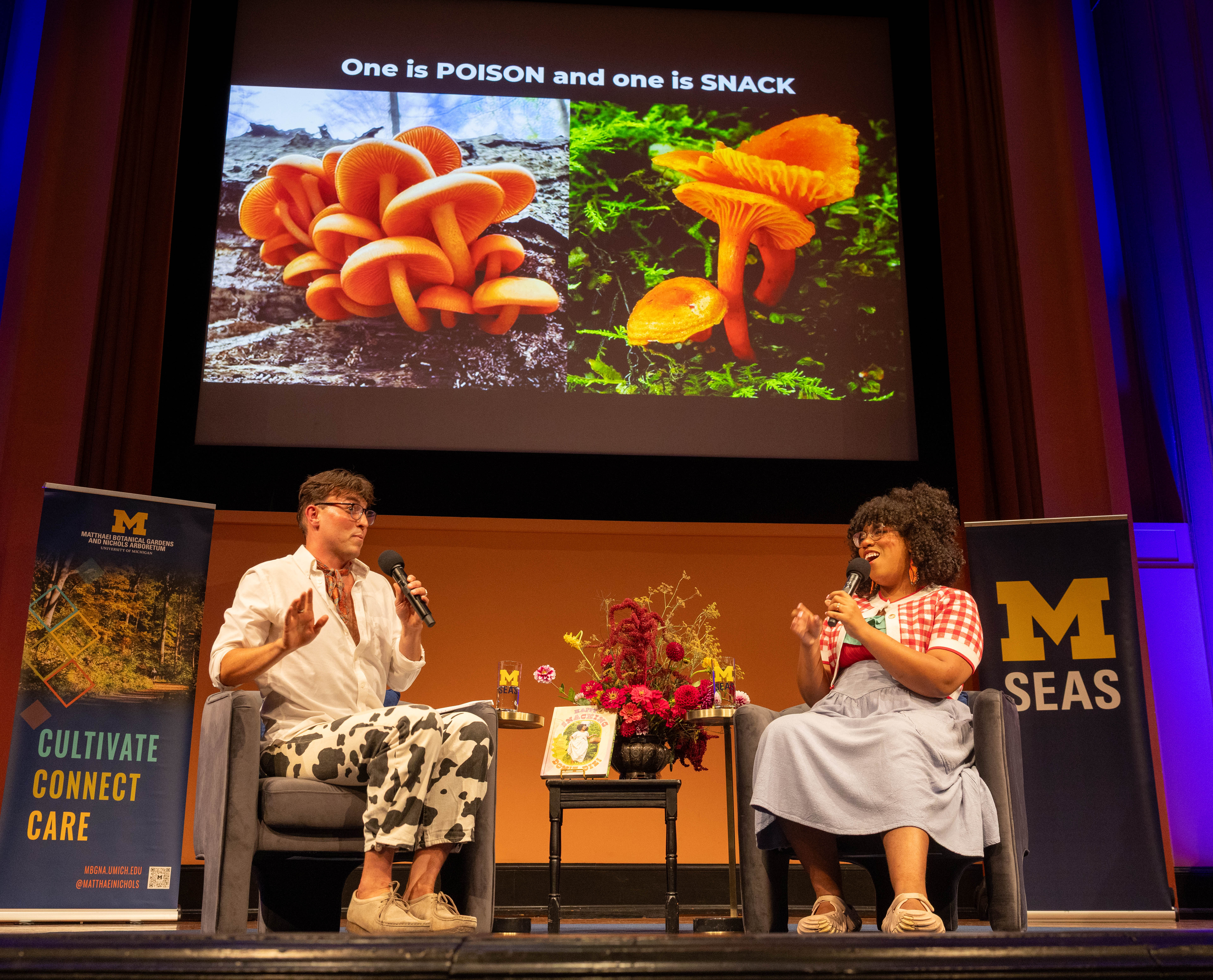
Nelson's fan-favorite song and dance format, “Is it poison or is it a snack?”, invites viewers into the process of identifying wild foods that are safe to eat, and the look-alikes that can mean trouble. 


Black Forager shares stories of wild food and caring for the planet at U-M
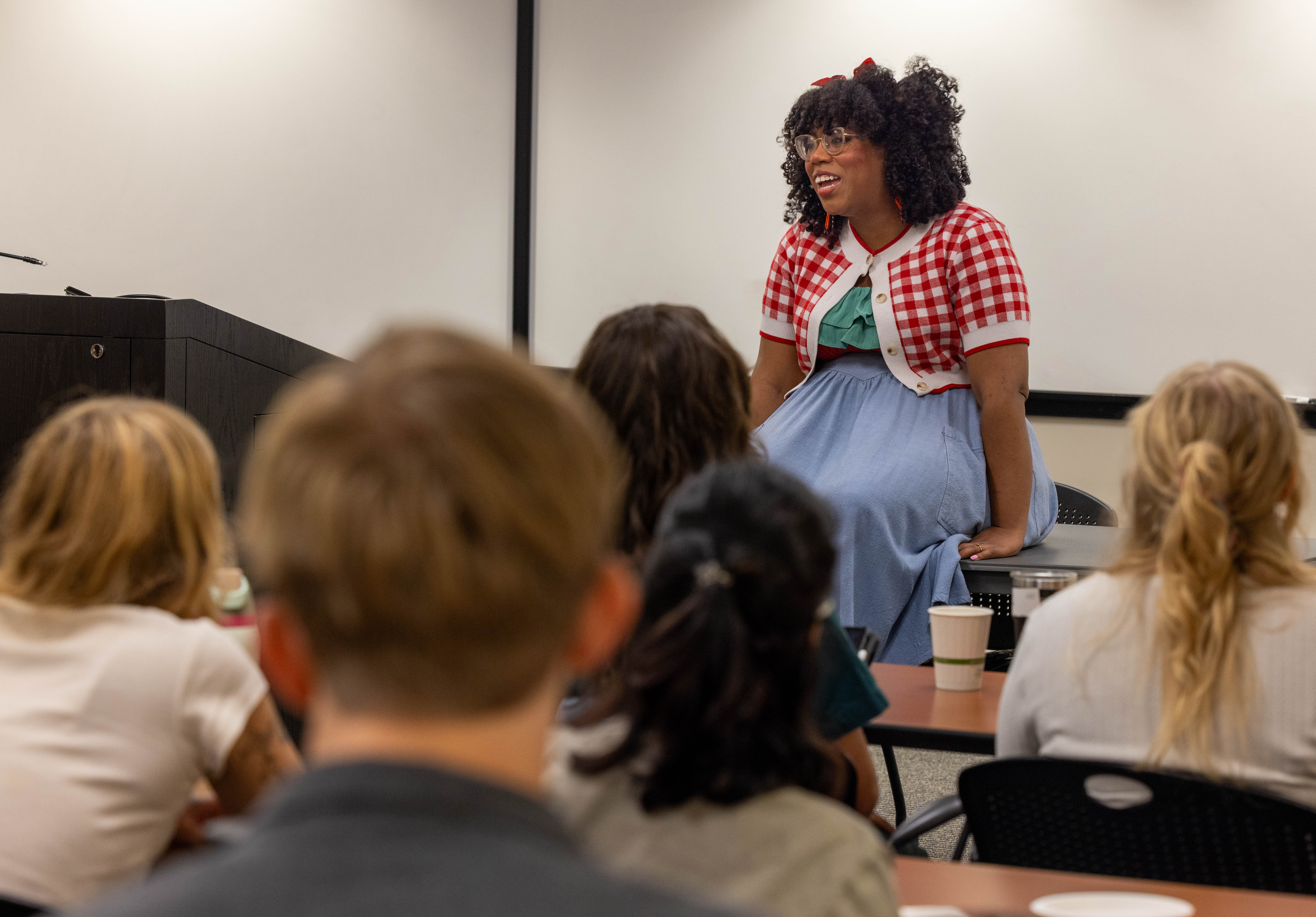
Before her talk, Nelson met with a small group of SEAS students and answered questions about foraging and sustainable foods. 

seas logo
University of Michigan
School for Environment and Sustainability
Dana Building
440 Church Street
Ann Arbor, MI 48109
(734) 764-6453
Email us
follow us on facebook
follow us on twitter
follow us on instagram
follow us on linkedin
follow us on youtube
follow us on flickr
planet blue global impact logo
  • Contact Us
  • Intranet
  • Contact Web Team
  • Newsletter Sign-Up
  • Report Sexual Misconduct
  • Request Program Information

© 2026 The Regents of the University of Michigan | Privacy Policy

Produced by Michigan Creative