


 back to all news
New SEAS faculty member Kristy Ferraro shares her interdisciplinary approach to biogeochemistry, ecosystem ecology and conservation ethics
Image

“I mean, how can you end up in a place that’s better than here?” responds Kristy Ferraro when asked about her reasons for joining the University of Michigan School for Environment and Sustainability (SEAS). Ferraro, who joined SEAS as an assistant professor this fall, cited the school’s interdisciplinary approach as a primary reason for accepting the position. She says SEAS is a place where she feels, “valued in the range of work that I do, from the ecosystem science and the ecosystem ecology…to the conservation ethics and humanities work.”
Specializing in Ecosystem Science and Management, Ferraro’s work creates connections between disparate fields of study, weaving 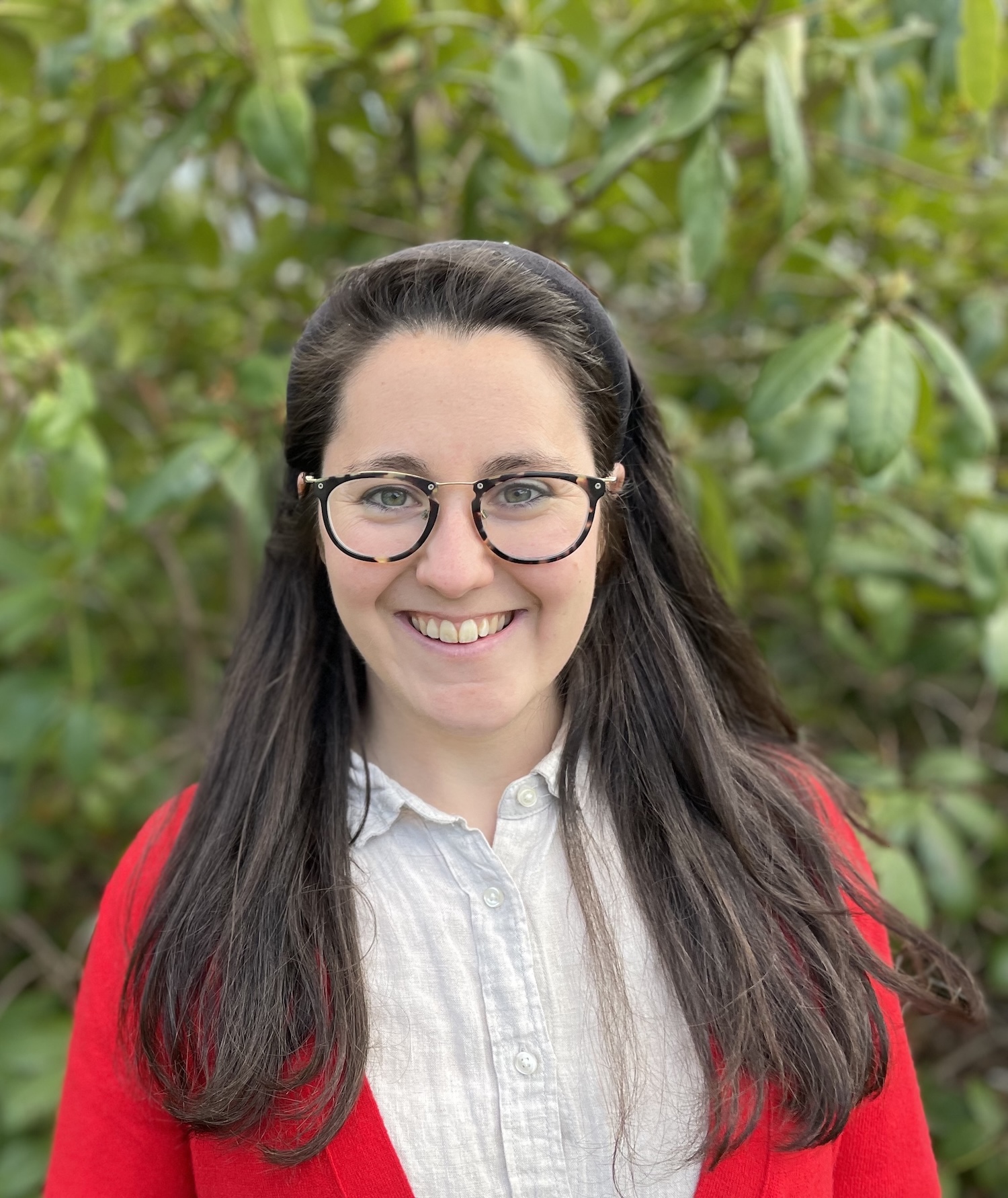 together ecology, chemistry and philosophy. Her research delves into biogeochemistry, a field primarily concerned with how elements cycle through biological, chemical and geologic systems. Ferraro, who mainly studies deer species, examines how these animals move elements like carbon, nitrogen and phosphorus around ecosystems. She says she is particularly captivated by the idea of zoogeochemical niche construction, a process by which organisms modify their environment, changing the selection pressures that drive species’ evolution over time.
“I think we’ve often overlooked how animals’ impacts on ecosystems might feed back to influence the animals themselves. Zoogeochemical niche construction asks how animals reshape their own chemical environments in ways that ultimately influence their fitness. In doing so, it connects ecosystem ecology and evolutionary biology in a really elegant way.”
Currently, Ferraro investigates these ideas on islands off the coast of Newfoundland with resident caribou populations. Her work there bridges behavioral ecology, ecosystem ecology and evolutionary biology, as she explores how these animals interact with and shape their environment. Her work also extends to Alaska, where she is examining how Arctic rewilding and large animal reintroduction could influence carbon storage and albedo, a measure of surface reflectance, among other climate and biodiversity metrics. She welcomes student involvement in these research projects as well as in more local projects focused on Michigan deer populations.
Previously a Presidential Postdoctoral Fellow at SEAS, Ferraro’s research also delves into conservation ethics, an interdisciplinary field spanning philosophy, biology and ecology. Her work engages with often poorly understood ethical dimensions of ecological conservation, particularly when it comes to invasive species. She encourages students, ecologists and conservationists to re-evaluate existing norms in the field.
“Why do we value that? Where does that come from? Is that the thing we should be valuing? It’s a conversation we often don’t have and need to have, and I think those questions [are even more] at the forefront when we’re thinking about animals.”
At SEAS, Ferraro wants to help students understand the historical and ethical facets of sustainability by engaging with philosophical literature.
“I think that if our call is to train environmental leaders, we cannot say that we’ve equipped them well without giving them the skills to interrogate their own values, and to be able to navigate the many competing values that exist in environmental problems.”
Ferraro is looking forward to teaching an undergraduate Program in the Environment (PitE) class on animal subjectivity, saying that the goal of the class is to “just expand your mind and to think deeply about what it might be like to be an animal from a science, and a philosophy, and a literature, and a poetry, perspective.”