


The City of Detroit’s Gratiot/7 Mile Neighborhood Framework Plan was co-crafted by residents to help shape future growth and investment in the area. Photo credit: The Detroit News.
Project Dates: January 2023 – April 2024
Client: City of Detroit Office of Planning and Development - The Neighborhood of 7 Mile and Gratiot (G7) Framework Plan
SEAS Faculty Advisor: Mark Lindquist, Associate Professor of Landscape Architecture
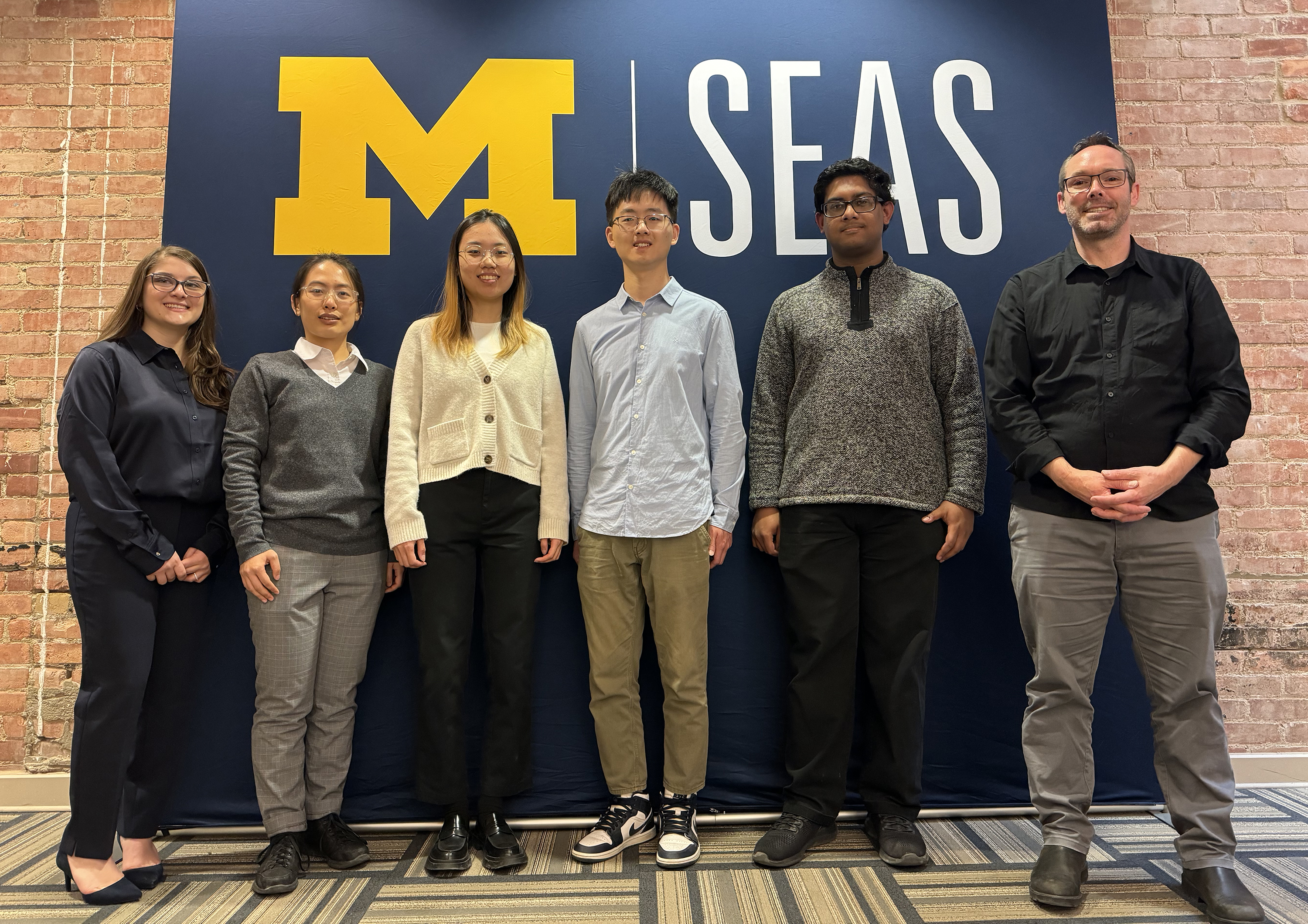
SEAS Students: Ihsan Akhtar (Ecosystem Science & Management), Ziyi Chen (MLA), Bingqing Han (MLA), Jillian Morisette (Environmental Policy & Planning), Zhongyi Zhang (MLA)
About the Client
The City of Detroit's Planning Department is responsible for guiding the city's development through strategic urban planning, zoning, and land-use policies. It serves residents, businesses, and stakeholders to help create vibrant, equitable, and sustainable neighborhoods. The Detroit Planning Department worked in close partnership with residents from Gratiot and 7 Mile (G7), an area in northeast Detroit comprising several neighborhoods that share a common domain of resident leadership and city-led planning efforts, to develop the Gratiot/7 Mile Neighborhood framework Plan. Developed between 2019 and 2021, the Plan aims to guide future development and investment in the G7 area. According to the city’s G7 webpage, the plan seeks to “stabilize single-family neighborhoods, multi-family housing and retail opportunities, as well as examine park, greenway, and streetscape improvements.”
About the Project
The Detroit Planning Department requested support in creating a sustainable development for the Gratiot and Harper Ave area— an area encompassing 672 acres that has historically struggled with flooding, poor watershed management, inadequate transportation options, and a lack of community spaces.
Through in-depth historical analyses of the area's stormwater control, streetscape and transit opportunities, and commercial and mixed-use development, as well as focus groups with community experts and practitioners, the project team identified key areas for intervention. They synthesized policy recommendations, identified funding sources, and drafted landscape designs to address the challenges. These designs, shaped by insights from community experts and practitioners, aim to enrich aesthetic and property values, enhance ecosystem services, and elevate the social and cultural capital of the neighborhoods.
Read the final report here.