


Is Flooding a Problem in Your Neighborhood?
Find your starting point and explore steps to build flood resilience.
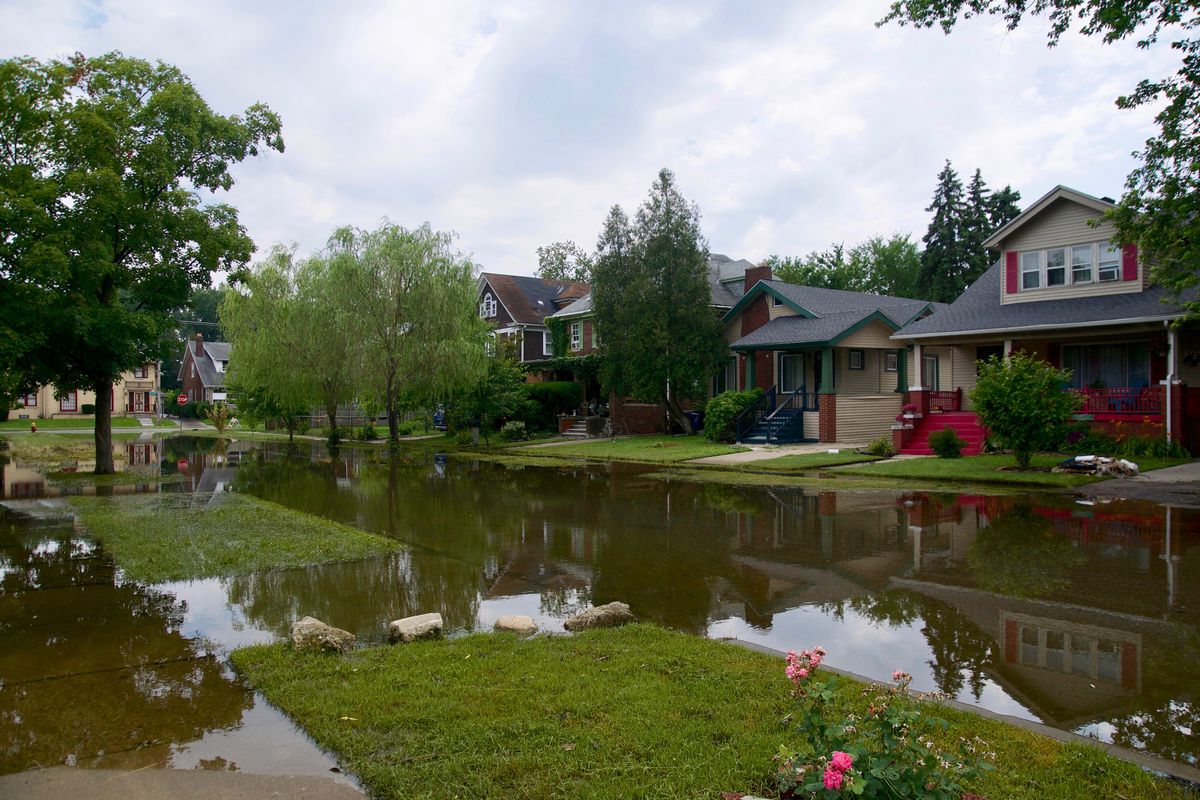
Flood resilience can take many forms, from household preparedness strategies like elevating appliances, protecting important documents, and developing flood emergency response plans to small-scale adaptation projects such as rain gardens and disconnected downspouts. Larger neighborhood and organization-scale efforts may include large-scale green stormwater infrastructure (GSI), shoreline restoration, and seawall construction/expansion.
This webpage provides tools, resources, and recommendations to support community-led flood preparedness, adaptation, and response efforts across Detroit.
Key Resources
Who can use this guide?
- Households
- Neighborhoods
- Organizations
Where do I begin? (Early Stages)
If you're a homeowner:
- Learn about flood insurance and what your policy covers.
- Review flood maps to learn about your flood risk.
- Consider property protection measures such as elevating appliances and utilities (water heater, furnace, electrical panel, refrigerators, etc.), backwater valves, sump pumps, and basement floodproofing or fill-ins.
- Explore GSI practices for your property, such as rain gardens, downspout disconnects, rain barrels, and permeable pavement.
- Review available funding opportunities.
If you're leading a neighborhood or organization-scale project:
If you're leading a neighborhood project, building a strong team and shared plan can help identify community priorities, secure funding, and implement long-term flood resilience projects.
1). Build Your Community Team
- Connect with neighbors and attend municipal and organizational meetings focused on flood resilience. You can find examples of organizations focused on flood resilience that host regular meetings here.
- Host gatherings in accessible community spaces to discuss neighborhood needs, identify flood-prone areas, and understand what support residents may need during severe flooding events — particularly neighbors with medical or mobility needs.
2). Assign Roles and Responsibilities
- Assign roles as your team develops a clearer understanding of potential projects, funding sources, and partners.
3). Develop a Communication Hub
- Create a central communication hub where community members can access updates, share feedback, and stay informed about neighborhood flood resilience efforts.
- If you can, provide both physical and virtual spaces to maximize accessibility. Use platforms that fit your community’s needs (e.g., Facebook, Instagram, Signal, WhatsApp, GroupMe).
How do I choose the right project? (Early - Middle Stages)
Flood resilience projects can take many forms depending on your goals, budget, property, and community needs. Many successful resilience efforts combine multiple strategies.
Household Flood Preparation and Response
- Flood insurance
- Backwater valves
- Sump pumps
- Basement floodproofing or fill-ins
- Elevating utilities
Household-Scale GSI
These projects help manage stormwater where it falls and can often be implemented by homeowners, businesses, schools, and faith-based organizations. Examples include:
- Disconnected downspouts
- Rain gardens
- Rain barrels
- Small permeable pavement projects
Neighborhood and Organization-Scale Flood Resilience
These projects often involve collaboration between residents, community organizations, nonprofits, or local governments. Examples include:
- Community emergency response plans
- Neighborhood communication networks
- Impervious surface removal
- Bioswales
- Constructed wetlands
- Green alleys
- Green roofs
Things to Consider
- Your community's greatest flood risks and priorities.
- Long-term installation, operation, and maintenance costs.
- Available funding opportunities and technical assistance.
- Property ownership and long-term stewardship responsibilities.
- Review the city's Legal and Permitting Factsheet for guidance on permits and project requirements.
Start your research by reviewing our Flood Emergency Response Plan, Flood Risk, Maps & Insurance Resources, Green Stormwater Infrastructure (GSI) Resource Center, and Funding and Network Sources pages to learn more about flood resilience planning and implementation. Additional research may be needed depending on your project goals.
How do I fund this project? (Middle Stages)
1). Research and Review Funding Opportunities
- Explore successful grant recipients in your community or region using our Funding and Network Sources page.
- Reconnect with your team to review funding options, budget needs, and application timelines.
- Seek partnerships and guidance from local organizations that have completed similar projects. Their reports often list funding sources and can offer valuable insight.
To Consider for Households and Neighborhoods:
- Some funding opportunities may require a nonprofit fiscal sponsor or community development corporation (CDC) to apply for and manage grant funds if your group does not have 501(c)(3) status.
I have received funding, what next? (Late Stages)
This is the fun part!
Implementation will vary depending on your project, but there are a few common next steps:
- Finalize your project scope, timeline, and budget.
- Purchase equipment, materials, or native plants, if applicable.
- Obtain any necessary permits and ensure your project meets local requirements.
- Work with qualified professionals or community partners when appropriate.
- Host volunteer events or community workdays to engage residents.
- Share updates through your Communication Hub so community members can stay informed.
- Document your progress through photos, videos, and updates. This documentation can support education efforts, grant reporting, and future funding proposals.
How can the Clinic support me?
Share your project needs with us through our Client Intake Form, and our team will follow up to identify how the Clinic may be able to support your work. Depending on your goals and project stage, support may include:
- Workshops or training sessions tailored to your community, organization, or block club
- Talks and presentations on flood resilience, green infrastructure, or project development
- Short-term, one-on-one support for a specific project or initiative
- Longer-term collaborations (approximately 18 months) with a multidisciplinary graduate student team and faculty advisor